Media & Narrative
How the story of beagles in laboratories has been told — the investigations that broke through, the images that shifted public opinion, and the narratives that moved legislation.
The Power of the Image
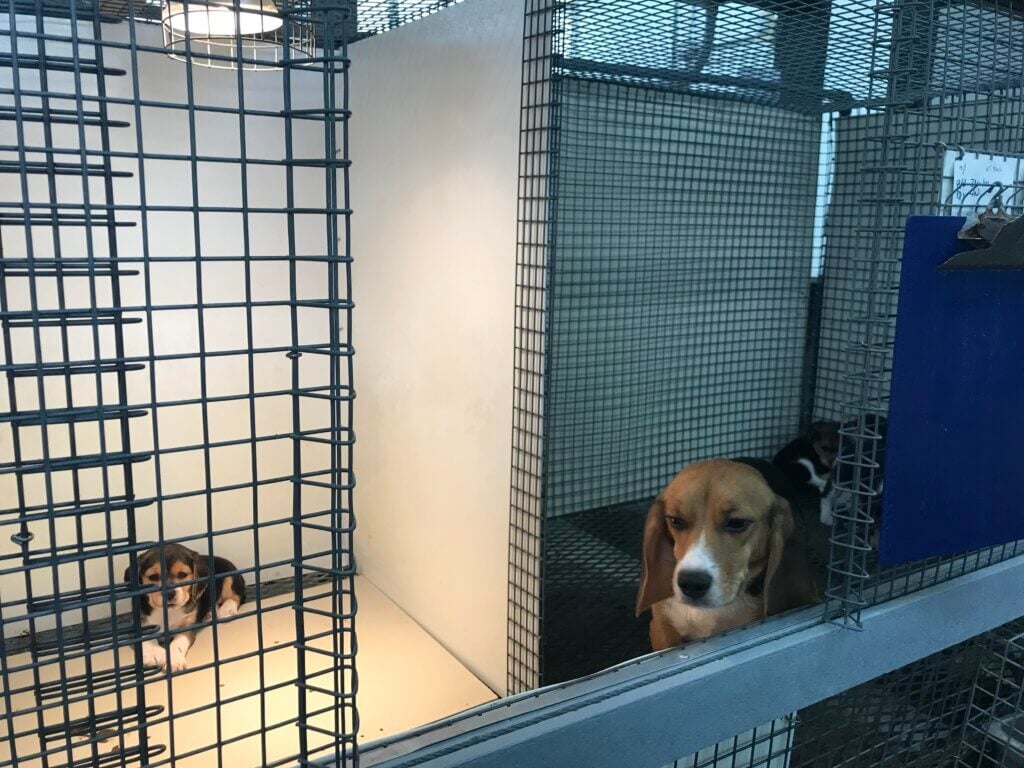
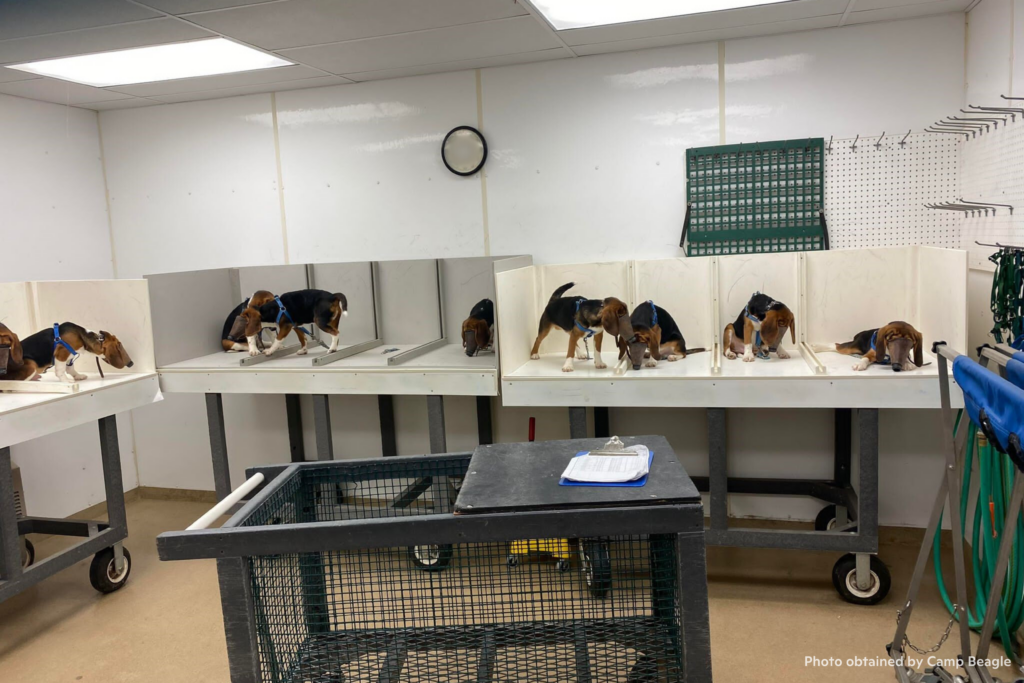
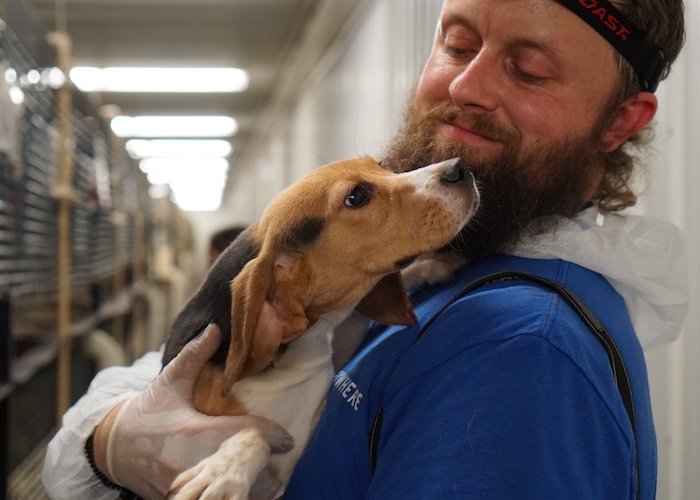
Every major shift in animal welfare law can be traced to a photograph, a video, or a story that made the invisible visible. The 1966 Animal Welfare Act was born from a Life magazine photo essay called “Concentration Camps for Pets.” The 1985 amendments requiring exercise for dogs came after the Silver Spring monkeys case put undercover investigation on the map. The FDA Modernization Act 2.0 passed in 2022 with bipartisan support after the Envigo rescue put 4,000 beagles on every news channel in America.
The pattern is always the same: someone documents what happens behind closed doors, and the public decides it's unacceptable. The policy change follows the narrative change. Not the other way around.
Images That Changed the Conversation
5 images

The Stories That Mattered
A timeline of the investigations, media moments, and campaigns that shaped public opinion and drove policy change — from the 1966 Life exposé to the 2026 #Ridglan8 campaign.
The Smoking Beagles
"Concentration Camps for Pets"
Silver Spring Monkeys
Ridglan Farms Investigation
Pulitzer Prize Journalist Feature on Ridglan
HSUS Undercover at Charles River / Mattawan
PETA Undercover at Envigo
Envigo Beagle Rescue Coverage
Copenhagen Air Route Exposé
Marshall Whistleblower Photos
Ghostbusters Star Speaks Out
#Ridglan8 and the March 15 Rescue
How Narratives Move
The exposés research reveals a consistent three-stage pipeline through which information about animal testing reaches the public and eventually changes policy:
1. Activist Documentation
Undercover investigators, whistleblowers, or open rescue participants create the raw footage. This is the highest-risk, lowest-reach stage — the footage exists but hasn't been seen. DxE's 2017 Ridglan footage sat for months before it was published.
2. Journalistic Validation
Professional journalists take activist footage and verify, contextualize, and publish it. This gives the evidence mainstream credibility. The Pulitzer journalist's Ridglan feature, Sentient Media's Marshall coverage, and national outlets covering the Envigo rescue all follow this pattern.
3. Political Amplification
Media coverage creates political pressure. Congressional letters are sent. Oversight hearings are demanded. Prosecutors act. The FDA Modernization Act passed within months of the Envigo media cycle. The Ridglan settlement came after years of sustained local and national coverage.
Transparency as Strategy
Beyond investigations and media, records-access litigation has become a critical advocacy tool. In 2017, USDA/APHIS removed large sets of compliance and enforcement records from its website. Advocates sued under FOIA, and the Ninth Circuit ruled that district courts can order agencies to comply with FOIA's “reading room” obligations for frequently requested records.
In 2025, a federal court set aside APHIS's “Courtesy Visits” policy — which had allowed inspectors to observe conditions without recording violations — ruling it conflicted with Congressional mandates. This matters directly for dog facilities because it tightens the gap between what inspectors observe and what becomes an enforceable record.
Why Beagles Break Through
The animal rights movement has spent decades struggling to make the public care about laboratory animals. Primates generate some attention. Rodents generate almost none. But dogs — and beagles specifically — cut through in a way nothing else does.
This isn't an accident of emotion. It's a strategic reality. Beagles are recognizable. They are the breed most Americans can identify by sight. They are associated with companionship, not research. When people see a beagle behind bars with a green ear tattoo where its name should be, they don't need an argument — they need an answer for why this is acceptable.
Every story in the timeline above that produced legislation involved dogs. The AWA was passed because of stolen pets. The 1985 amendments were passed because of primates and dogs. The FDA Modernization Act was passed in the wake of the Envigo beagle rescue. Dogs are the species that move the needle from media coverage to policy change.